
Styling Afternoon Tea for a Relaxed Weekend Gathering
Start with the Stand, Not the Sandwiches
Before you think about fillings, think about the shape your table will take. A three-tier cake stand is the classic afternoon tea silhouette for good reason: it lifts food off the table, frees up space for cups and teapots, and makes a modest amount of food look generous. If you do not own one, build the same effect with a large plate on a small upturned bowl, a wooden board, and a shallow dish at three different heights.
The rule I keep coming back to is that the tallest element goes at the back or centre, with lower dishes fanning out towards the edges. Guests should be able to reach everything without standing up. Leave gaps between the dishes — a table with breathing room reads as relaxed, while a crowded one reads as stressful. Aim for roughly three or four bites of each item per person, which is more than enough when there is tea, conversation and a second helping waiting.
Finger Sandwiches: The Structural Layer
Sandwiches are the foundation, so they need to look tidy and taste fresh. Use a good sliced white and a soft wholemeal, both cut thin. Soft butter spread right to the crusts acts as a waterproof layer, which matters more than any clever filling.
- Cucumber: slice thinly, salt for ten minutes, then pat dry. Wet cucumber is the enemy of a neat sandwich.
- Smoked salmon: cream cheese loosened with lemon zest and dill, salmon folded rather than laid flat.
- Egg mayonnaise: a little Dijon and plenty of cress, chopped fine so the filling stays level.
- Ham and mustard: the crowd-pleaser, with a thin swipe of good mustard butter.
Fill, then trim the crusts with a sharp serrated knife using a gentle sawing motion — pressing down squashes the bread. Cut into fingers about two centimetres wide and six long. Arrange them on the stand in overlapping rows, alternating brown and white, like roof tiles. Cover with a barely damp tea towel if they are waiting more than twenty minutes.
Scones: The Warm Anchor
A stand without scones feels incomplete. Make them the morning of, or the night before and refresh them for five minutes in a warm oven. My reliable proportions are 225g self-raising flour, a teaspoon of baking powder, 50g cold butter rubbed in, 25g caster sugar, and about 150ml of milk soured with a squeeze of lemon.
Handle the dough lightly and pat it to about three centimetres thick. Cut straight down with a floured cutter and do not twist — twisting seals the edges and stops the rise. Bake at 200°C fan for twelve to fourteen minutes until risen and pale gold. Split them rather than cutting, and pile them into a linen-lined basket or the top tier of the stand with a napkin over them to keep the warmth in. Serve clotted cream and jam in small separate pots and let guests settle the order themselves.
Sweet Things: Three Types, Kept Small
The top tier and any spare plates should carry the sweets, and odd numbers always look better than even. Choose three types and no more — a glut of choice makes a table look messy and leaves you with leftovers.
- Something creamy: mini lemon possets in small glasses, set the day before.
- Something chocolate: tiny ganache tartlets made with ready-rolled pastry, no fuss.
- Something crisp: shortbread fingers or a simple biscuit, which guests can take without a plate.
Dust with icing sugar through a fine sieve just before serving — it takes ten seconds and makes everything look finished. A handful of raspberries or sliced strawberries tucked between the pastries adds colour and cuts through the sweetness.
Colour, Texture and the Little Touches
Keep your palette tight: cream, soft green, pale pink, a touch of gold. Loose linen napkins look more welcoming than tightly folded ones. A few fresh mint leaves or edible flowers tucked into the gaps give the stand life without looking styled to death. Small bowls of strawberries, a jug of milk, and a strainer for loose-leaf tea complete the picture.
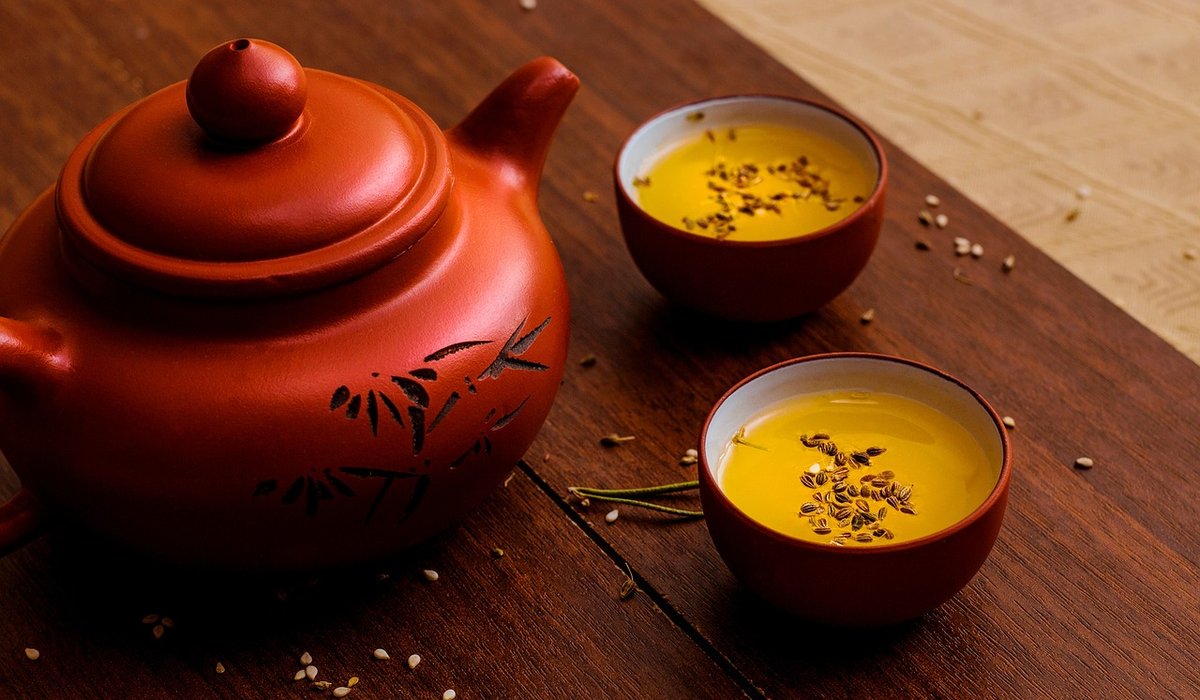
Warm your teapots with hot water before brewing, and offer two pots — a proper English breakfast and something lighter like a jasmine or a rooibos. Nobody lingers over a single lukewarm cup.
Timing, So You Can Sit Down Too
Work backwards from the arrival time. Posset and tartlets the day before. Scones the morning of. Sandwiches assembled an hour ahead, covered in the fridge and brought out ten minutes before serving so they lose their chill. Butter the stand with the heaviest items on the lower tiers as guests arrive, then add scones and sweets once everyone has a cup in hand.
Leave the stand on the table rather than clearing it away. People help themselves far more readily when food stays within reach, and a half-empty stand halfway through an afternoon is exactly the point — it means the gathering is going well. Top up quietly, keep the kettle moving, and resist the urge to whisk plates away. Afternoon tea is not a meal to be finished; it is an afternoon to be spent.
tag: Food Styling

Sophie Hartley Author
Choose linen, wood, and neutral ceramics to highlight crust, crumb, and shape without distracting from the bake itself.
YOU MAY ALSO LIKE

Photographing Textured Breads with Simple Backgrounds
Aug 23
10Add sea salt, citrus zest, or herbs to cakes and biscuits so sweetness feels rounded rather than cloying.
read more
How to Balance Sweet and Savoury in Baking
Aug 17
10Combine roasted squash, earthy grains, and warming spices to create a menu that feels generous and seasonal for cool evenings.
read moreFood Styling
-

ERRIC CATONA
Use fresh mint, rosemary, or pared zest to add aroma and visual interest to simple mixed drinks at home.
May 19, 2016 at 5.12 pm
Reply
ERRIC CATONA
Group utensils, label ingredients, and keep a notebook nearby to streamline repeated trials and reduce unnecessary washing up.
May 19, 2016 at 5.12 pm
Reply -
ERRIC CATONA
Twirl strands with tongs, sauce the base, and finish with cheese or herbs for a neat portion that still feels generous.
May 19, 2016 at 5.12 pm
Reply
Recipe Design
Your email address will not be published.